Cloudheim Turns Skybound Chaos Into an Addictive Action Playground
This scrappy co-op action RPG blends physics-heavy combat, breezy exploration, and a surprisingly compelling home-and-shop loop into something that feels both modern and gloriously PS2-brained. It is still rough in a few obvious places, but the core is strong enough to keep dragging you back for one more dungeon, one more upgrade, and one more enemy punted into the horizon.
Early Access Review
last updated Jun 04, 2026
When Cloudheim clicks, it feels like a forgotten action-adventure classic beamed in from a better timeline.
Combat With a Mean Right Hook
Cloudheim lives and dies by its combat, and thankfully it understands that hitting things should feel good before anything else. The physics-driven brawling has real personality, especially once pull, kick, launchers, and weapon skills start chaining together into glorious little moments of airborne nonsense. It clearly borrows some structural inspiration from Zelda and character-action games, but it avoids feeling like a cheap imitation because the rhythm is its own. There is a satisfying immediacy to the way enemies bounce off terrain, each other, and occasionally their dignity, which gives every fight a playful sense of chaos. It is not the deepest combat system in the genre, but it is responsive, expressive, and consistently fun in the way many bigger games somehow forget to be.
Exploration That Keeps the Feet Moving
Movement does a lot of heavy lifting in making Cloudheim’s world worth poking around, and the triple jump alone gives traversal a buoyant, gamey energy that suits the whole adventure. Islands and dungeons are built to encourage curiosity without drowning the player in bloated checklist design, which is a minor miracle in 2026. There are puzzles, hidden chests, side activities, and enough environmental variety to keep the loop from turning into pure corridor-clearing. At the same time, exploration is more breezy than profound, so anyone expecting grand mysteries or elaborate brain-benders should temper those expectations. The game works best when treated as a light, rewarding adventure where discovery supports the action instead of trying to impersonate an open-world epic with a budget the size of a moon.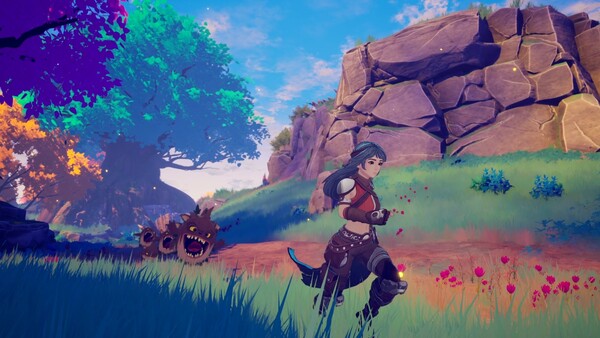
Home Is Where the Crafting Table Is
What gives Cloudheim extra staying power is the way it folds base growth, crafting, and shop management into the action loop without turning the whole thing into a second job. Gathering materials, refining them, building out your floating home, and stocking goods for sale gives the downtime a cozy, productive rhythm that contrasts nicely with the combat’s cheerful violence. Better still, these systems are streamlined enough that they usually feel inviting rather than exhausting, which is not always a guarantee in games that see the word crafting and immediately lose all restraint. There is a light automation angle, decorative customization, and a nice sense that your home steadily becomes a reflection of your progress. Some building limitations and interface awkwardness can make planning feel clumsier than it should, but the overall loop is strong enough that I kept slipping back into “just one more thing” mode for far longer than intended.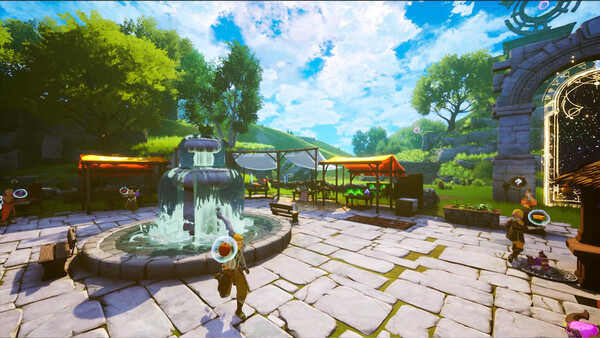
Classes, Loadouts, and a Bit of Early Access Friction
Cloudheim offers multiple combat styles and weapon types, and experimenting with them is part of the appeal, but this is also where some of the game’s rougher balance edges show. The system clearly wants to encourage swapping classes and loadouts on the fly, yet progression can feel more rewarding when specializing instead of spreading skill points too thin. That tension does not ruin the fun, though it does make the RPG scaffolding feel less elegant than the action itself. A few menu elements, upgrade hooks, and feature signposts also carry that unmistakable early access energy where something looks ready until the game politely informs you it absolutely is not. It is not catastrophic, but it can create confusion in places where a cleaner presentation would do the game a lot of favors.
A Bright World With Some Rough Edges
Visually, Cloudheim is immediately likable, leaning into a colorful, stylized look that recalls breezier adventure games without getting swallowed by nostalgia bait. Character models, enemy designs, and island backdrops all have a clean, inviting charm, and the art direction does a lot to sell the world even when the narrative takes a lighter touch. Animation is a real standout during combat, where momentum and knockback sell the physical comedy of every encounter. Performance, however, is less uniformly charming. While many setups seem to run it perfectly well, performance issues come up often enough to count as a real concern, with stutters, frame drops in busier areas, and optimization that feels shakier than the visual complexity really justifies.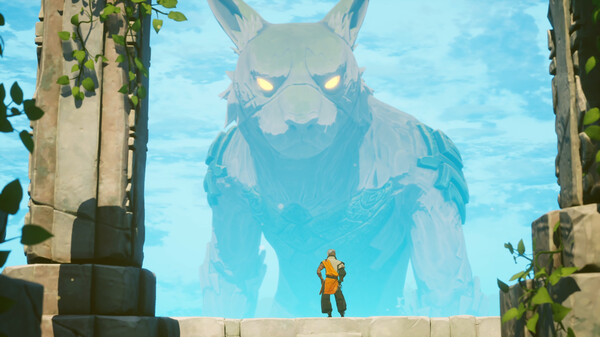
Soundtrack of the Skies
The audio design does its job well in the places that matter most, with crunchy impacts, satisfying ability effects, and enough feedback in combat to make every kick and spell feel tangible. Sound effects especially help reinforce the game’s playful combat identity, giving each scuffle that extra spark of arcade-like gratification. The soundtrack is pleasant and appropriately light, matching the relaxed adventure tone and never overpowering the action. That said, it does not always leave a strong impression, and some repetition starts to creep in over longer sessions. It is effective rather than unforgettable, which fits a game that is mostly focused on keeping your hands busy and your brain pleasantly occupied by the next thing to smash.
Co-op Chemistry and Online Caveats
Cloudheim makes a very strong case for itself as a co-op comfort game because so much of its design is built around low-friction fun, shared progression beats, and sessions that can be either casual or all-consuming. The combat chaos becomes even better with friends, and the shared home-building, looting, and dungeon-crawling loop gives the game an easy social glue that many co-op RPGs strain too hard to manufacture. It has that lovely small-team confidence of knowing exactly how much structure is needed before getting out of the way and letting players make their own fun. The biggest caveat is that the online framework has some awkward restrictions, particularly around world hosting and online dependence, which can make solo expectations and drop-in co-op logistics feel less flexible than they should. It is still a blast in multiplayer, but this is one area where the game’s growing pains are impossible to ignore.
EARLY ACCESS RATING
Developer & Publisher
Noodle Cat Games
Early Accesss Release Date
December 04, 2025
Verdict
Cloudheim is the kind of early access game that wins you over by nailing the hard part first: making every minute-to-minute action feel joyful. Its combat is punchy, its exploration is breezy, and its mix of crafting, selling, and sky-home progression gives the whole experience a sticky, wonderfully moreish rhythm. The rough spots are real, especially around optimization, online requirements, and some undercooked progression and interface decisions, but none of them overshadow the heart beating underneath it all. This is an ambitious indie project with soul, confidence, and a clear understanding that fun should not be buried under systems for the sake of looking important. When Cloudheim clicks, it feels like a forgotten action-adventure classic beamed in from a better timeline where every game remembered that punting a goblin off a cliff is, in fact, meaningful design.